Company
Team Monolith (Codle)
Timeline
2024.12 - 2025.03
Role
In-depth interview, Branding,UI/UX design
Team
Product Designer (1), Engineers (5)
Disruption
At the time, our product offered a JupyterLab environment for Python practice—but Python was typically taught for less than two months in most curricula, so our active usage period was naturally shorter than the full semester.
User interviews and observations revealed that teachers juggled multiple tools for lesson prep and delivery: slides, Notion, Kahoot, Padlet, Entry, and more. This fragmentation not only impacted our business but also burdened teachers with account management overhead and difficulty tracking student progress.
Less than 4 weeks 25%
More than 8 weeks 18%
4 weeks - 8 weeks56%
Average active duration* per paid classroom
Defined as active: ≥10 student logins per week,tracked over a 3-month (a semester)
Opportunity
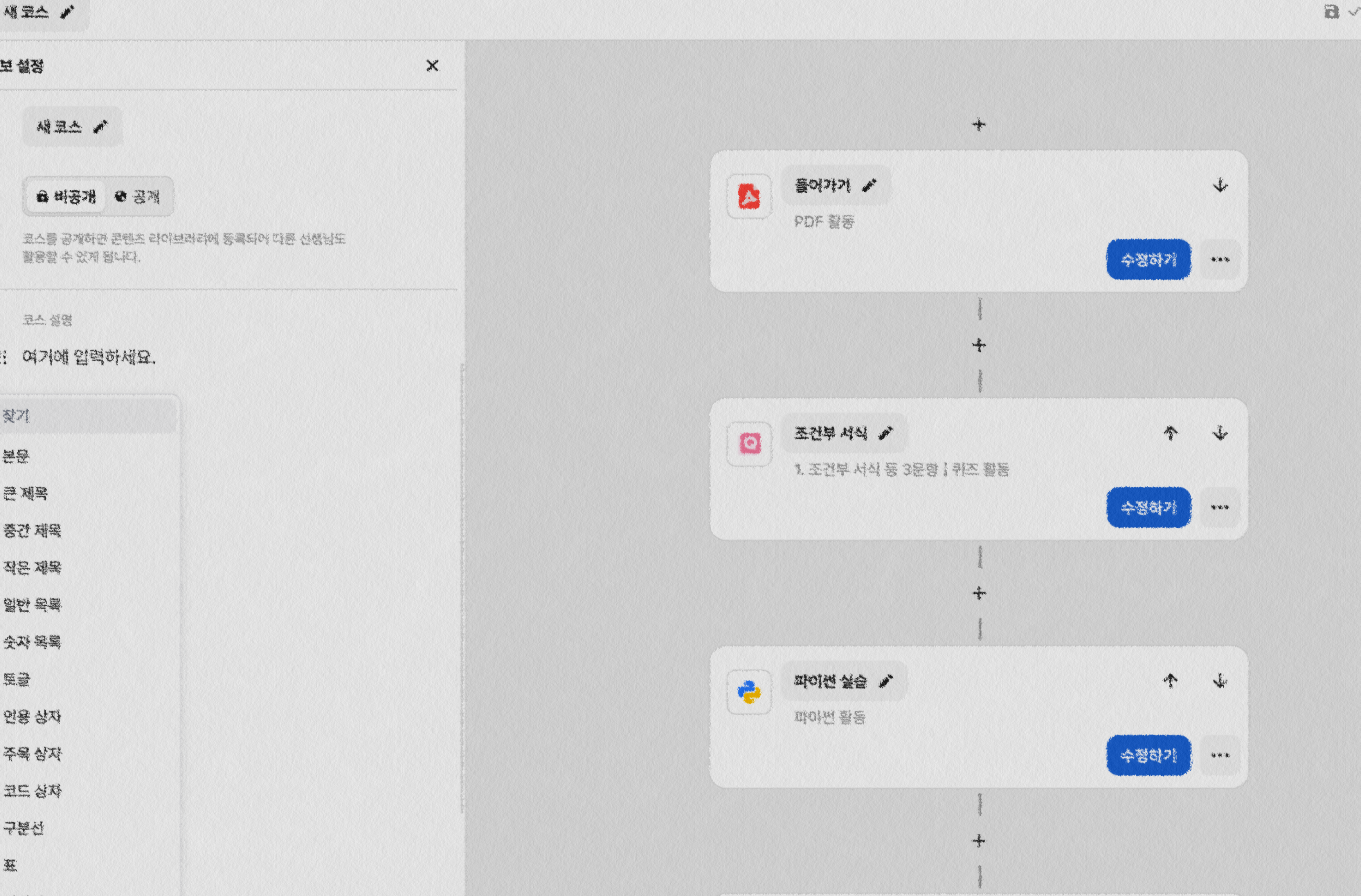
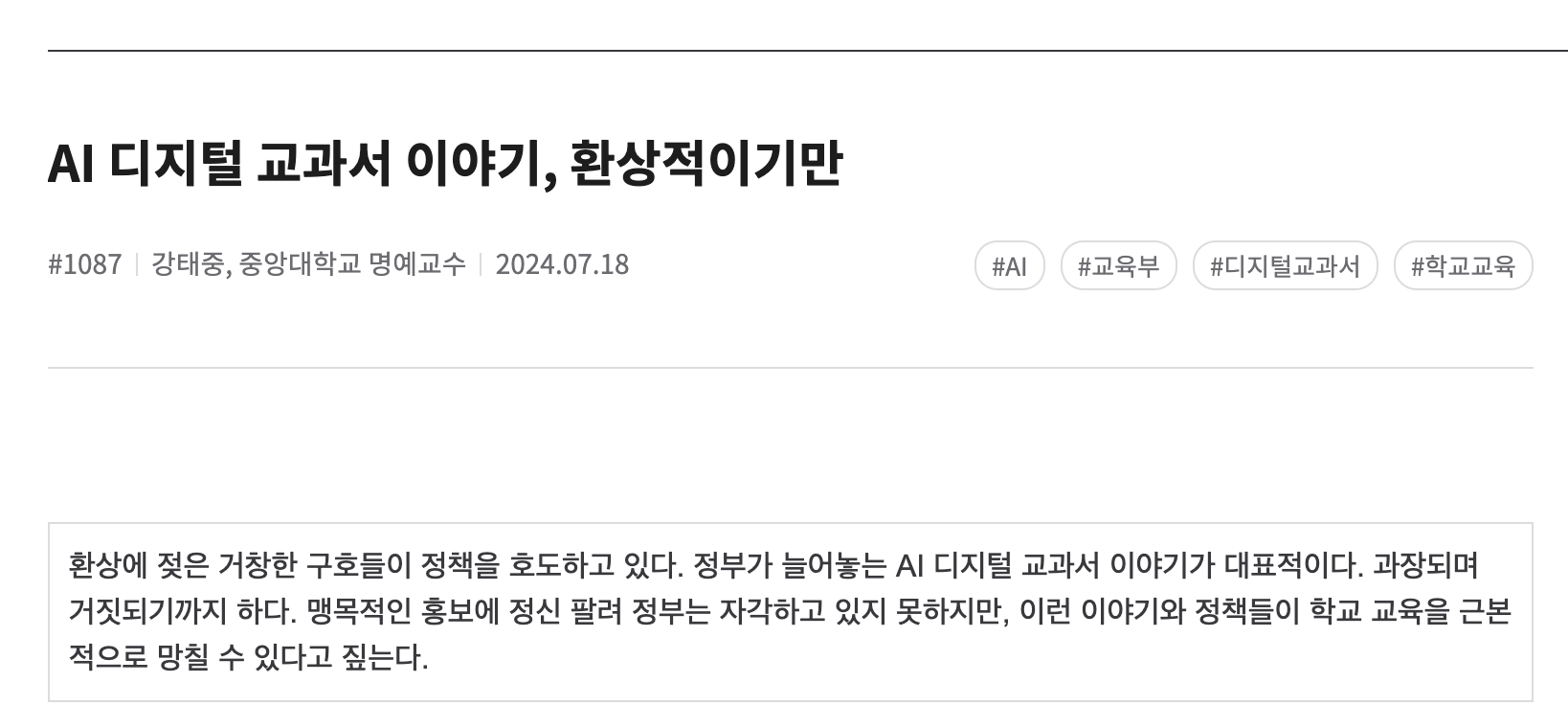
The government launched a major digital textbook initiative as part of expanding mandatory CS education—but pre-released prototypes prioritized self-learning over teacher needs.
Feedback consistently indicated these solutions were out of touch with classroom realities.
We saw this as an opportunity: if we could identify the real pain points, we could build a platform that genuinely solves problems teachers face.
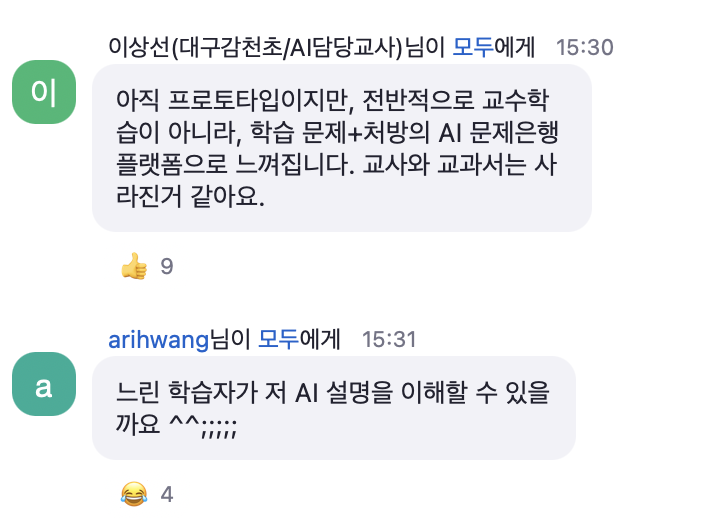
"It's still a prototype, but overall it doesn't feel like a teaching-and-learning platform—it feels more like an AI question bank focused on diagnosing learning gaps and prescribing solutions. It's as if the teacher and the textbook have disappeared."
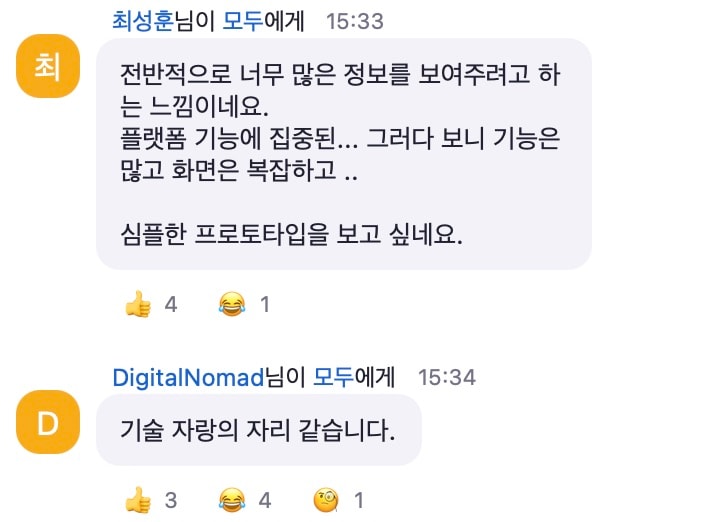
"It just feels like a tech showcase."
"The AI digital textbook talk—it's all just fantasy."
Problem
The real problem: inefficiency in lesson design.
As CS became mandatory and class hours increased, the quality of teaching was stagnating due to teacher shortages and work overload.
We thought that the personalized learning were minor concerns—what teachers actually needed most were tools to streamline lesson design.
"CS isn't a core subject, so adjusting lesson plans on the fly based on how students respond takes a lot of effort."
High school CS teacher interview


Required positions2,423
Filled2,087
Vacancy336(13.87%)
Public secondary school Computer Scienceteachers (2021, Information Teachers Association)

Individualized learning30.8%

Innovation in teaching46.7%

Expected benefits of AI digital textbooks(813 teachers surveyed, multiple responses allowed)
Instead of competing on student-facing features, I proposed a fundamental pivot.
This directly addressed the 46.7% of teacher demand that competitors had been overlooking.
Others
Codle
Individual self-directed learning
Teacher-led classroom orchestration
Linear content delivery
Adaptive lesson flows
Generic assessment
Dashboard designed for synchronous classroom contexts
Ethnography
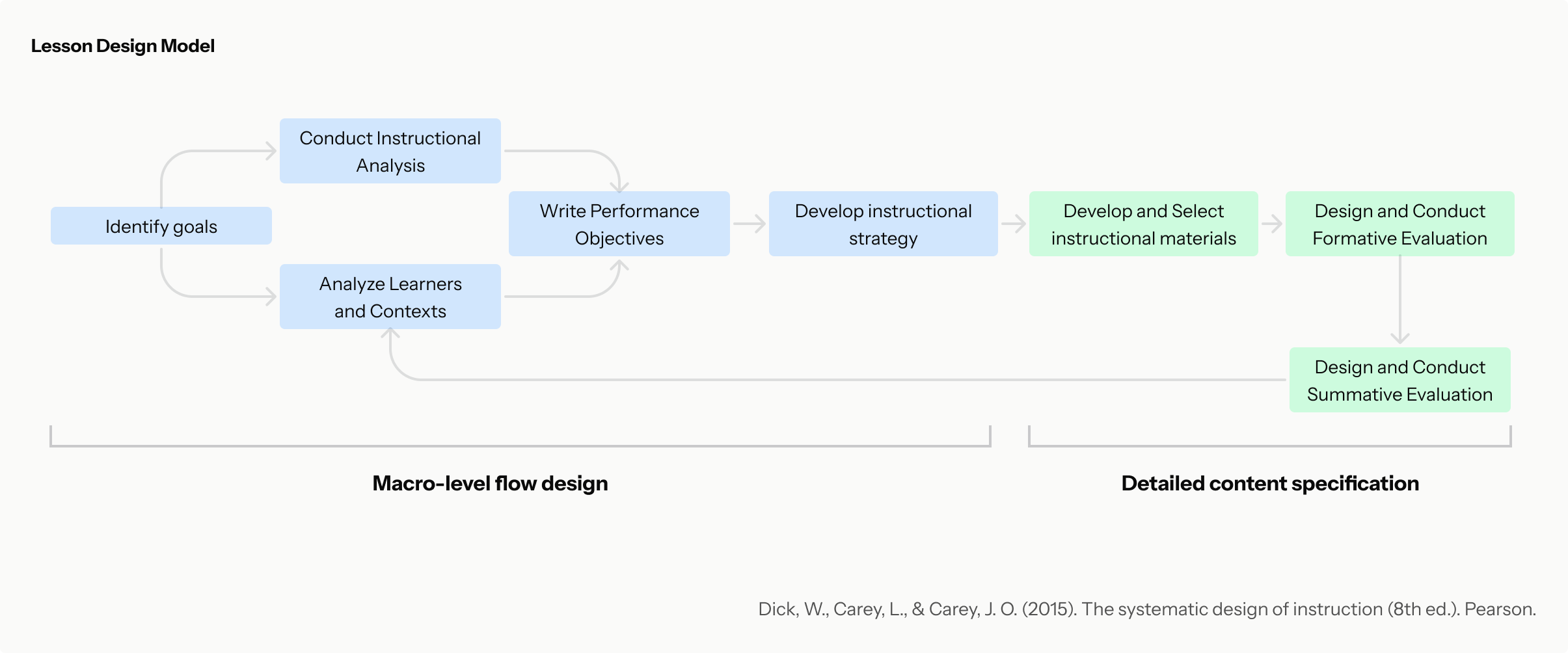
To understand teachers' actual workflows, I conducted ethnographic research and discovered that teachers design lessons much like UX designers map user journeys. I believed that if we could design an expert tool optimized for the classroom, we could solve the problem using an approach we were already familiar with.
Teachers do...
Just as UX designers...
Set learning objectives
Identify user needs
Design lesson flow
Map user journeys
Plan activities
Define features
Create content
Produce detailed designs
Integrate assessment
Set success metrics
Solution
Visual Flow-Based Lesson Design
We replaced the traditional linear lesson structure with a node-based design inspired by automation tools like Zapier and Notion workflows.
Teachers can now see the entire lesson structure at a glance and modify it with ease.
Activity Nodes
Individual learning elements (PDF, quiz, coding practice)
Logic Nodes
Conditional branching based on performance in the preceding activity


코스 이름


설정


들어가기


PDF 활동
수정하기


정다각형 퀴즈

정사각형 그리기 등 | 3문항
수정하기

점수별 갈림길


보완 갈림길
낮은 점수: 총점의 50% 이하
보충 활동
PDF 활동
수정하기

파이썬 실습
파이썬 활동
수정하기
파이썬 실습
파이썬 활동
수정하기
기본 갈림길
파이썬 실습
파이썬 활동
수정하기
파이썬 실습
파이썬 활동
수정하기
파이썬 실습
파이썬 활동
수정하기
파이썬 실습
파이썬 활동
수정하기
정복 갈림길
높은 점수: 총점의 80% 초과
파이썬 실습
파이썬 활동
수정하기

의견 나누기
보드 활동
수정하기


Solution
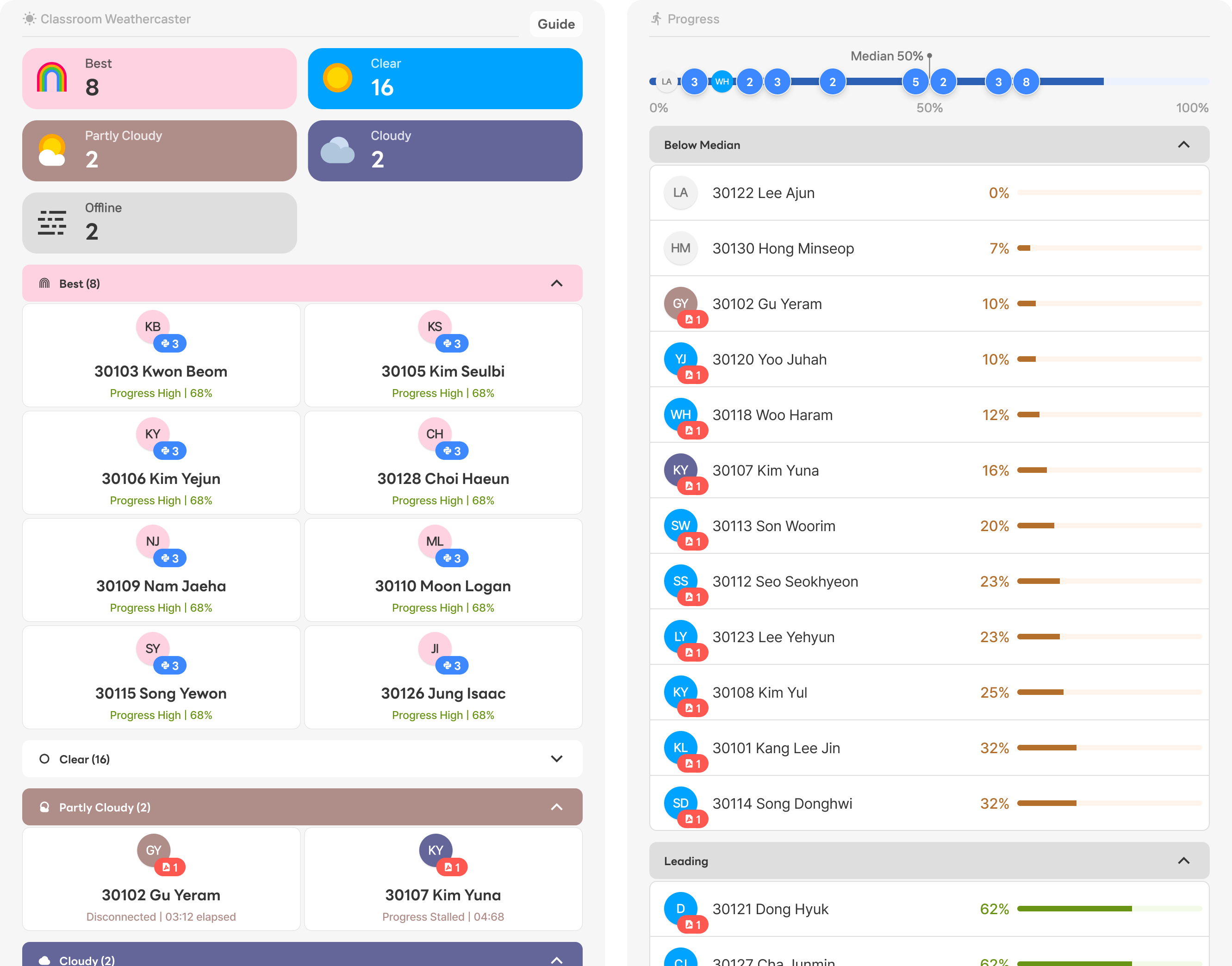
I also designed a dashboard that aggregates real-time data generated during class—such as connection status and progress rates—allowing teachers to immediately identify students who need attention.
The key was not simply showing average grades after class, but enabling teachers to actively orchestrate the learning flow during class and intervene in learning paths at the right moment.


Students
Grades
The student thataverages represent
Who needs attention
Output
Unlike existing platforms that only emphasized self-directed learning, we differentiated by supporting real-time teacher intervention—and after the update, our market share more than doubled.
Although the AI digital textbook initiative itself was later suspended due to external concerns, the fact that our market share continued to rise steadily even then demonstrates that our hypothesis was valid.

630+ schools
250+ schools
2023
2025
The update

Reflection
Deep user understanding beats a list of enticing features. Rather than just chasing obvious directions, it's important to identify the unmet needs of overlooked users. I learned that research isn't just for "validation"—it's the starting point that determines product direction.
Accessibility isn't added later—it's built into the design from the start. As we participated in the government initiative, we conducted accessibility audits including assistive technology testing. Issues often surfaced in unexpected areas, and in some cases we had to redesign core UX—such as how activity sequences were reordered. I learned that it's essential to regularly review accessibility principles and incorporate them into the design process.
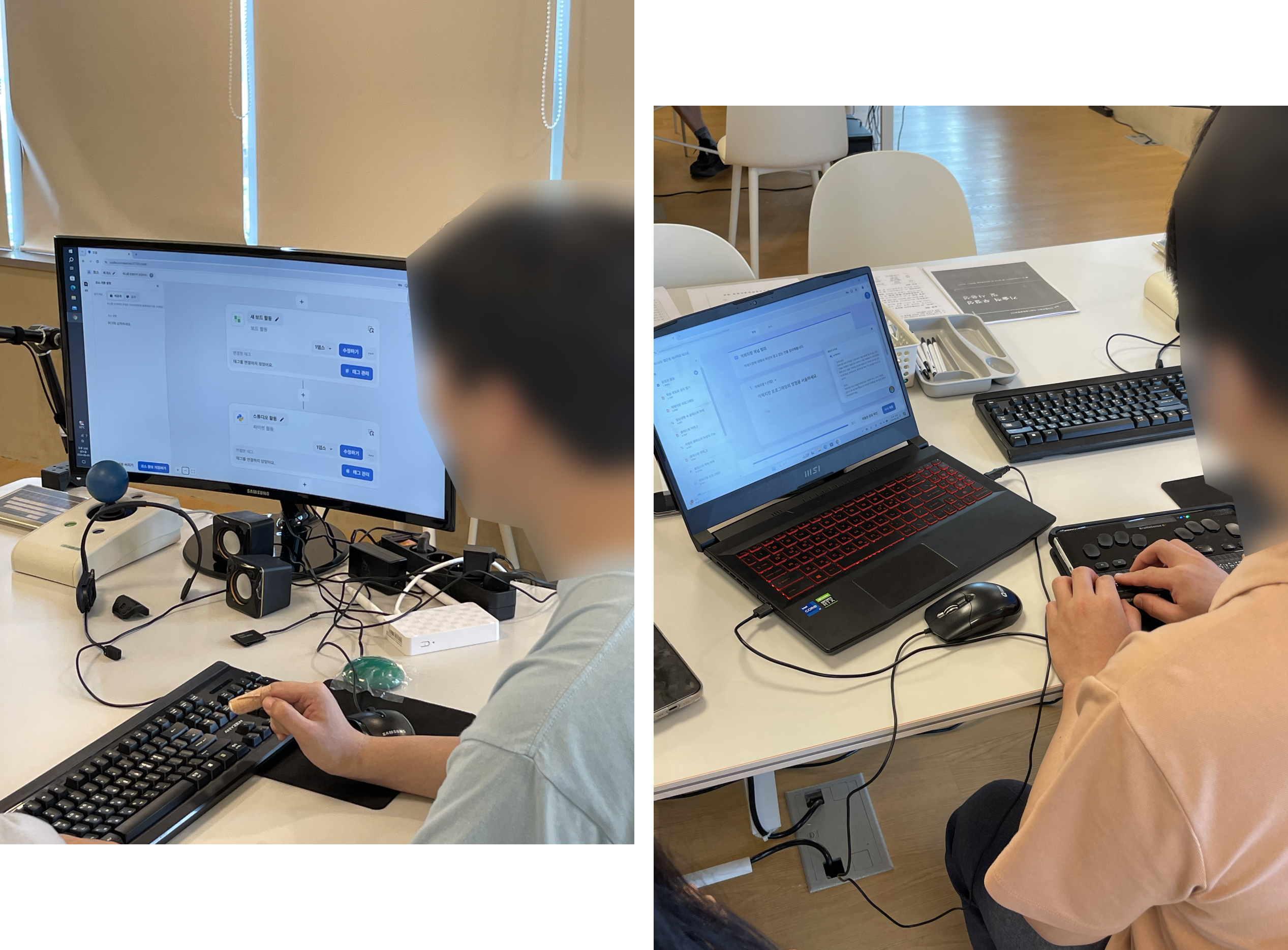
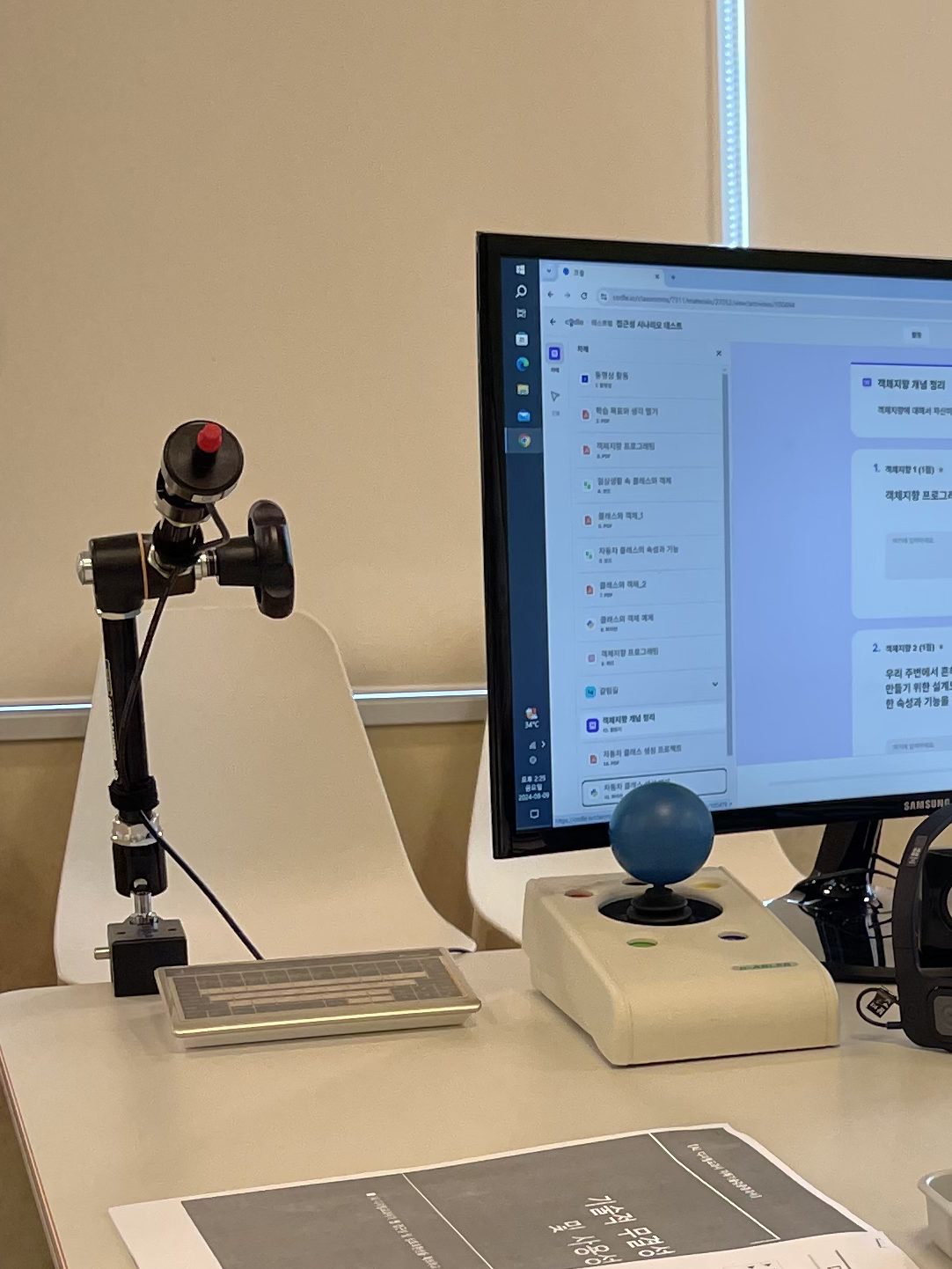
Assistive technology (AT) testing